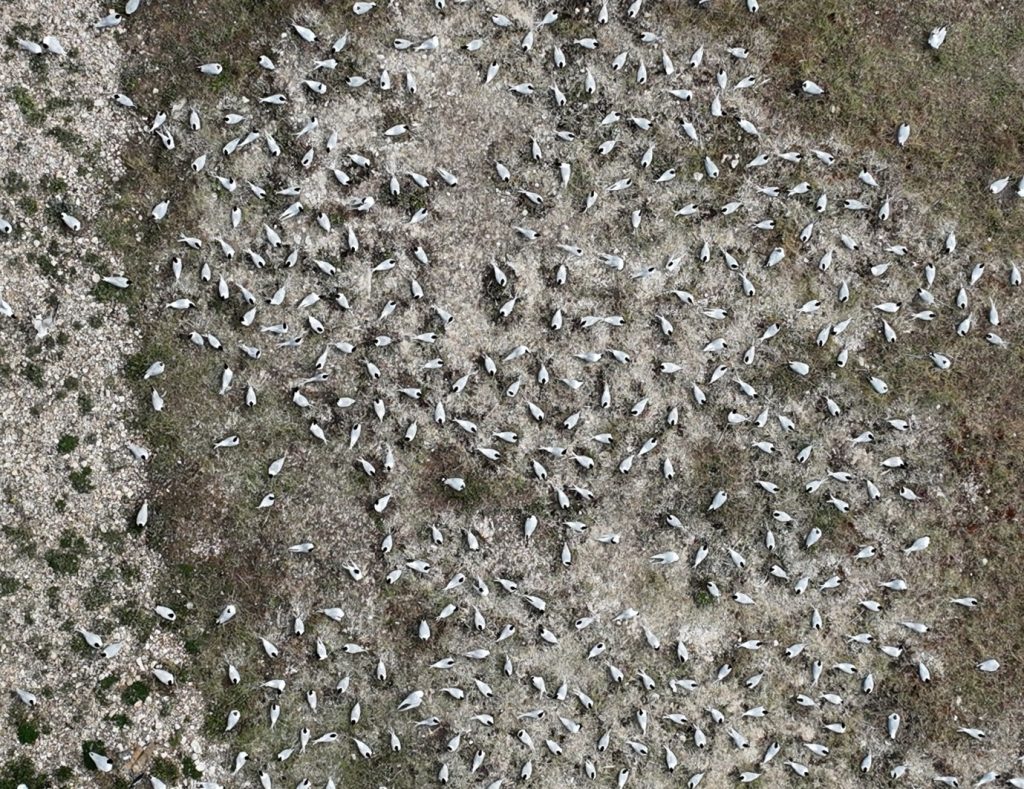
- Sandwich Terns have increased from 0 in 2023 to 756 pairs in 2026, one of the largest colonies ever recorded on the south coast of England
- Increases in numbers of breeding Black-headed Gulls, Little Terns, Ringed Plovers and Oystercatchers
- Hours of work completed by volunteers and reserve staff to manage habitats as part of the Solent Seascape Project
Seabird numbers in parts of the Solent have had a record year thanks to habitat improvement works and conservation efforts by RSPB staff and volunteers as part of the Solent Seascape Project, with increases in numbers of breeding pairs of Sandwich Terns, Black-headed Gulls, Little Terns, Ringed Plovers, Oystercatchers; and notable breeding success of Avocets.
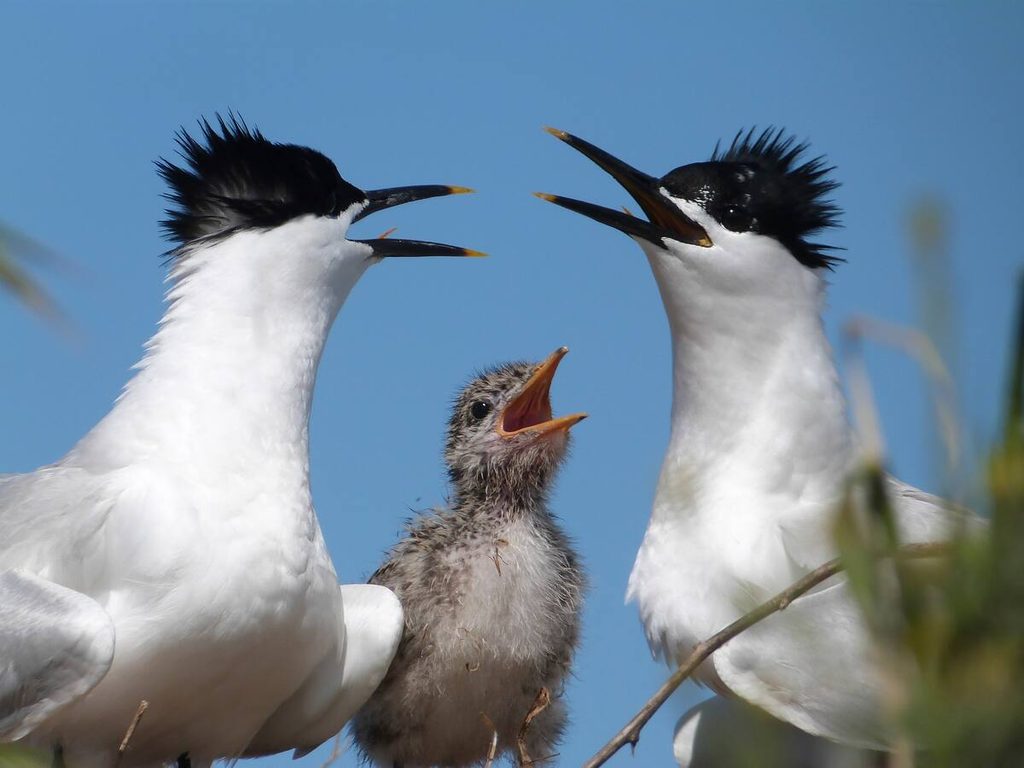
The Sandwich Tern colony at RSPB Pagham Harbour was decimated in 2022 following the onslaught of HPAI (bird flu) that saw the island colony completely abandoned. Thanks to dedicated reserve staff and volunteer action over multiple years alongside the Solent Seascape Project, their numbers have reached at least 756 breeding pairs this year, with 570 fledglings recorded in 2026. Black-headed Gulls also prospered at RSPB Pagham Harbour this year, with an increase in fledglings from 51 in 2025 to 504 in 2026, alongside Little Terns, whose numbers jumped from 21 fledglings last year to 34 in 2026. Vital conservation work has included ensuring nesting habitat is in perfect condition for returning birds by removing selected vegetation, monitoring for the presence of rats and preventing other mammalian predators of ground-nesting birds using predator-exclusion fencing, whilst providing ongoing monitoring and protection by in person patrols and remote cameras.
Success for Avocets
Wez Smith, RSPB Senior Project Manager, said: “In 2022, Sandwich Terns, Black-headed Gulls and Mediterranean Gulls were hit severely by HPAI/bird flu, leading to the abandonment of their breeding colony at Pagham Harbour. It’s taken several years of dedicated conservation action, but the situation began to ‘tern’ around last year, and the site is now thriving with record breaking populations using it”.
Predator control
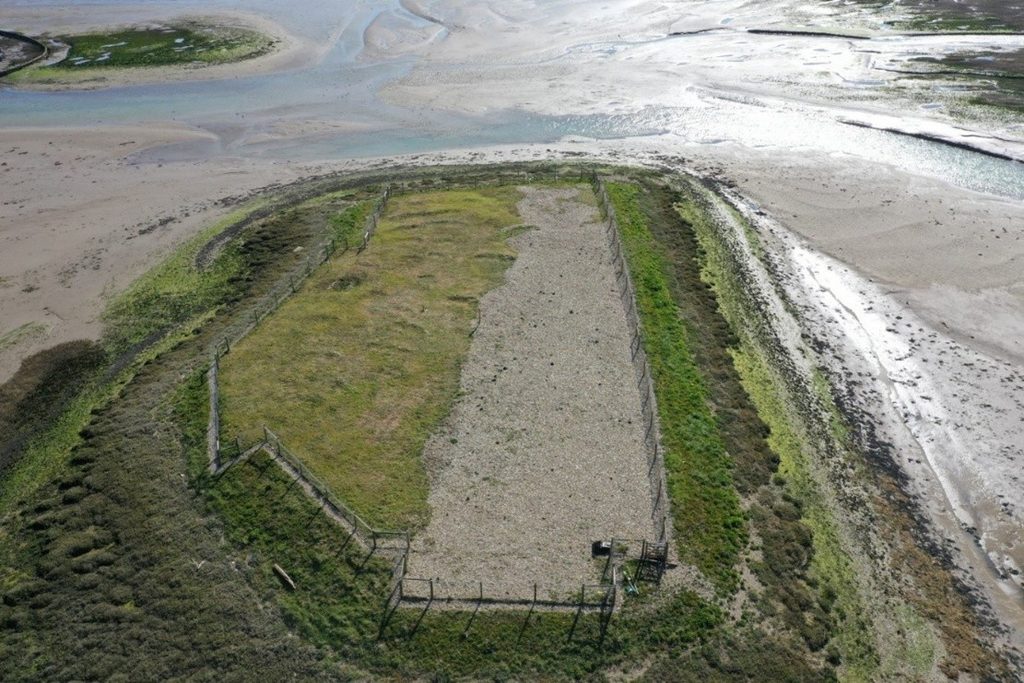
Ongoing management of the islands at RSPB Pagham Harbour is required to ensure they are in peak condition for breeding seabirds. This includes vegetation management to make space for the birds to nest, the placement and maintenance of predator-exclusion fencing to keep predators out of the colony site, and constant vigilance of biosecurity to ensure an absence of rats and other potentially damaging species. Throughout the year, the harbour is protected, with RSPB rangers and volunteer rangers perform patrols to help raise awareness with local people and visitors throughout the nesting season to ensure disturbance is minimized in the harbour and coastal nesting birds have a quiet area to raise their families.
The works have improved vital wetland havens for birds, mammals, and invertebrates, while new pathways, viewing platforms and benches have enhanced the visitor experience.
Rafts of hope
At RSPB Medmerry, the installation of nesting rafts has had a big impact on Black-headed Gulls and Common Terns breeding on site – these rafts provide a safe, predator-free space for birds to nest, alongside protecting seabirds from human, dog and water-craft disturbance. Rafts have also positively affected breeding numbers at RSPB West Hayling Reserve, particularly amongst Common Terns.
The RSPB’s seabird recovery effort underway in the Solent forms part of the Solent Seascape Project, a multi partner partnership working to recover habitats and species within this unique part of England’s south coast. The past four years have seen significant success in seabird restoration in the Solent as part of this project, with further important restoration currently underway or in development.