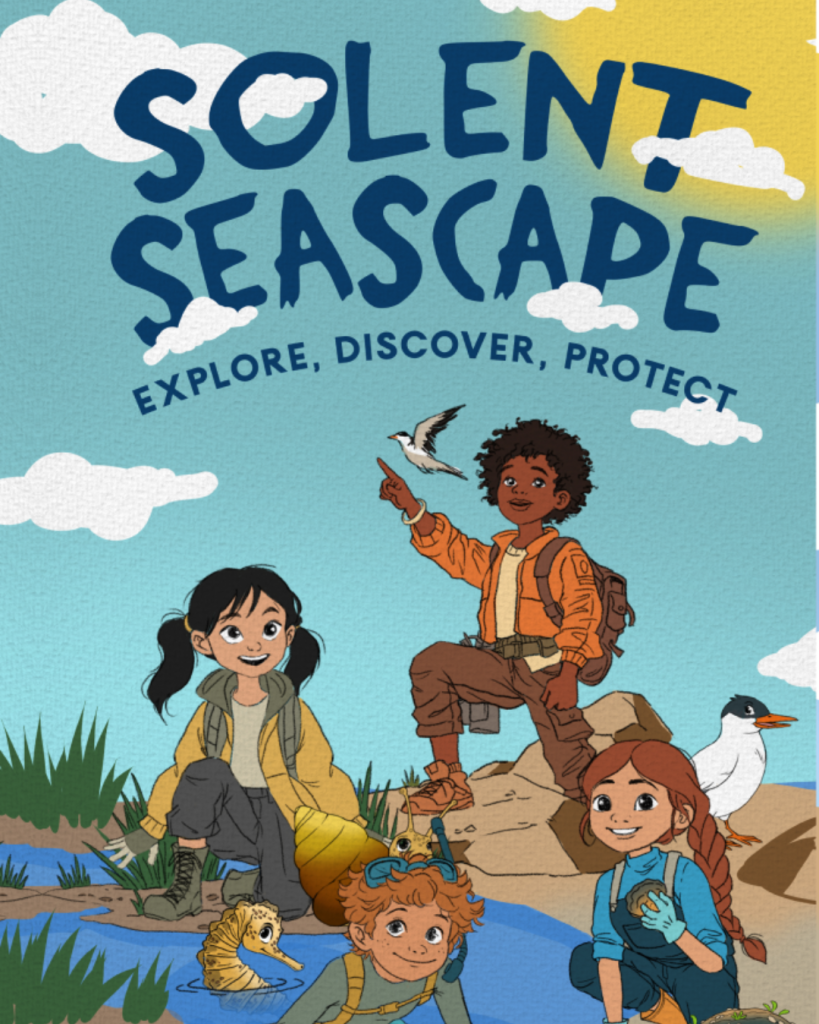
Explore the Isle of Wight’s hidden underwater world with marine biologist Theo Vickers and the Solent Seascape Project
The Solent Seascape Project and the Blue Marine Max Stenbeck Legacy Programme are delighted to be launching a new, free marine education programme for Isle of Wight state funded schools and educators, delivered by local marine biologist Theo Vickers. The programme aims to inspire the next generation of ocean champions by helping pupils discover the incredible marine life found right on their doorstep.
Designed for Key Stage 2 and Key Stage 3 classes, the fully funded programme combines engaging classroom learning with an exciting hands-on field trip to Bembridge Ledges, one of the Isle of Wight’s most important and wildlife-rich coastal habitats.
What does the programme involve?
Each participating class will take part in two connected sessions.
In the classroom
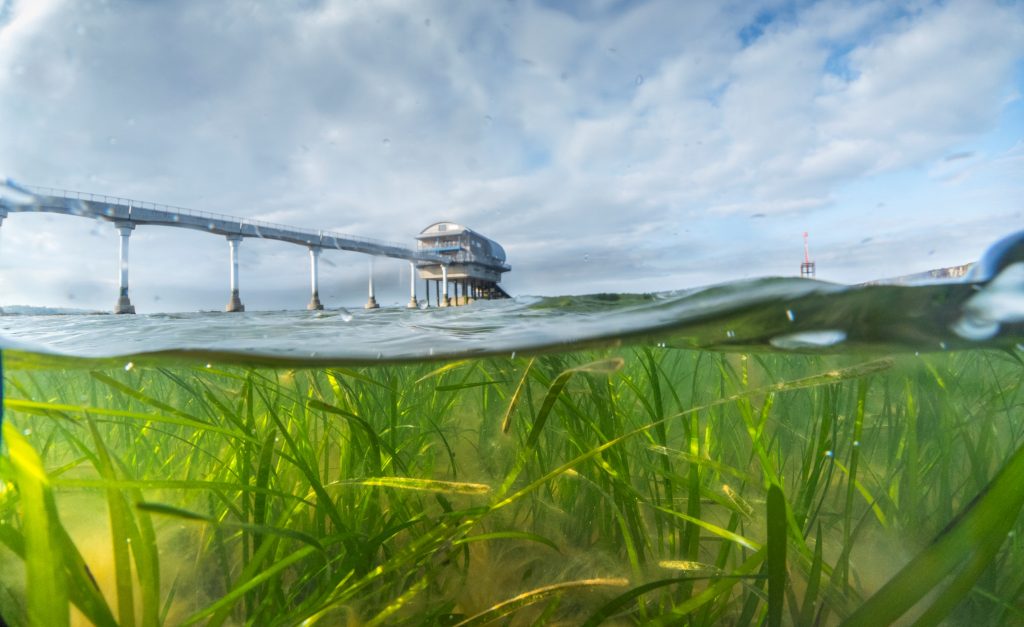
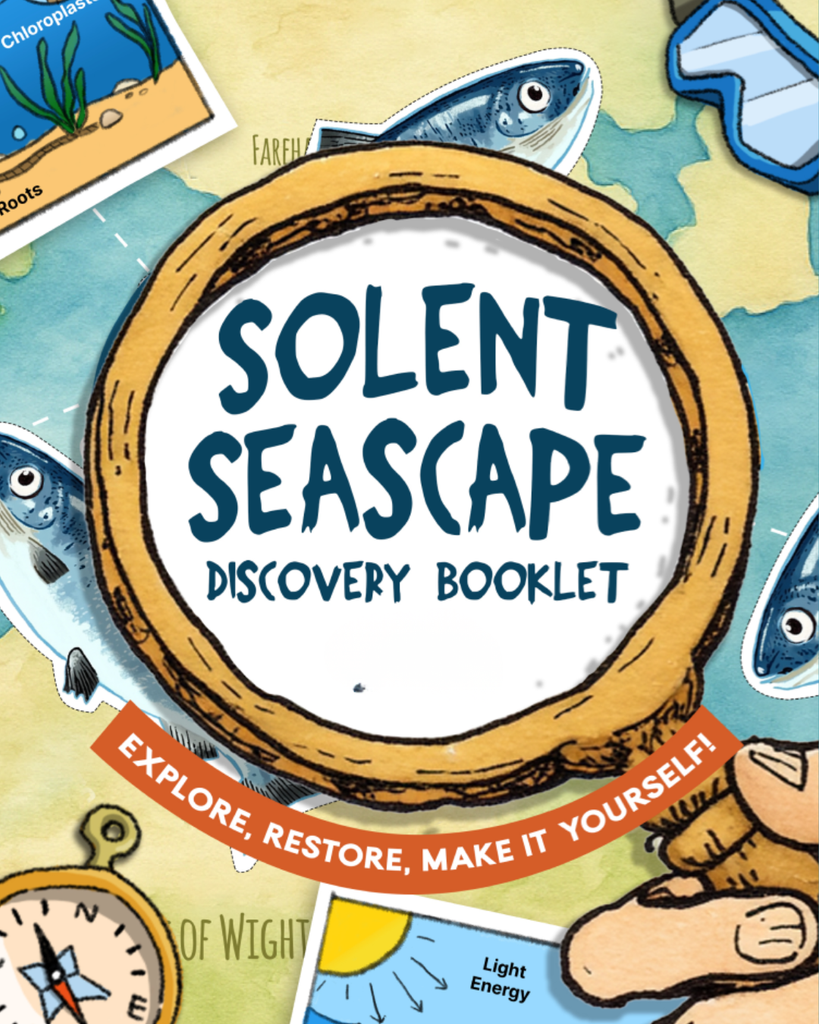
The programme begins with a visit to your school from Theo, who will introduce pupils to the fascinating marine environment surrounding the Isle of Wight. Through interactive activities, games and discussion based on the newly developed Solent Seascape Discovery Toolkit, pupils will learn about the key habitats being protected and restored as part of the Solent Seascape Project, including seagrass meadows, saltmarsh, seabird nesting sites and oyster reefs.
Students will discover:
- Why marine habitats are important for wildlife, people and the climate
- The amazing species that live around the Isle of Wight
- The work of the Solent Seascape Project and role of marine conservation and restoration
- What it is like to work as a marine biologist
- How young people can help protect the ocean for the future
Field trip to Bembridge Ledges
The learning then comes to life during a guided coastal exploration of Bembridge Ledges. Working in small groups, pupils will investigate the shore alongside marine biologists, searching for the plants and animals that make this remarkable habitat their home.
Depending on conditions, pupils may encounter:
- Crabs and lobsters
- Seagrass
- Anemones and other rockpool creatures
- Fish such as blennies and wrasse, as well as native oysters
- Fascinating evidence of how species are adapted to life in the marine environment
The trip will encourage pupils to make connections between what they learnt in the classroom and what they can observe in the natural world, helping build a deeper understanding of the Isle of Wight’s unique marine ecosystem.
Why take part?
By combining science, exploration and outdoor learning, the programme helps pupils develop a stronger connection to the sea and understand why protecting marine habitats matters. The sessions have been designed to be engaging, accessible and relevant to local children, showing them that internationally important marine wildlife exists just a short distance from their school and home.
The sessions are completely free, with all costs, including transport to Bembridge Ledges, covered by the Blue Marine Max Stenbeck Legacy Programme.
How to sign up
Places are available for Isle of Wight educators, primary and secondary schools, and are offered free of charge through support from the Blue Marine Max Stenbeck Legacy Programme and the Solent Seascape Project.
First, please sign up to the free Blue Education Network and then register your interest by simply completing the following form:
A member of the team will then be in touch with further information about availability, dates and how the programme can work for your class.
For any questions, please contact info@solentseascape.com
Meet Theo Vickers
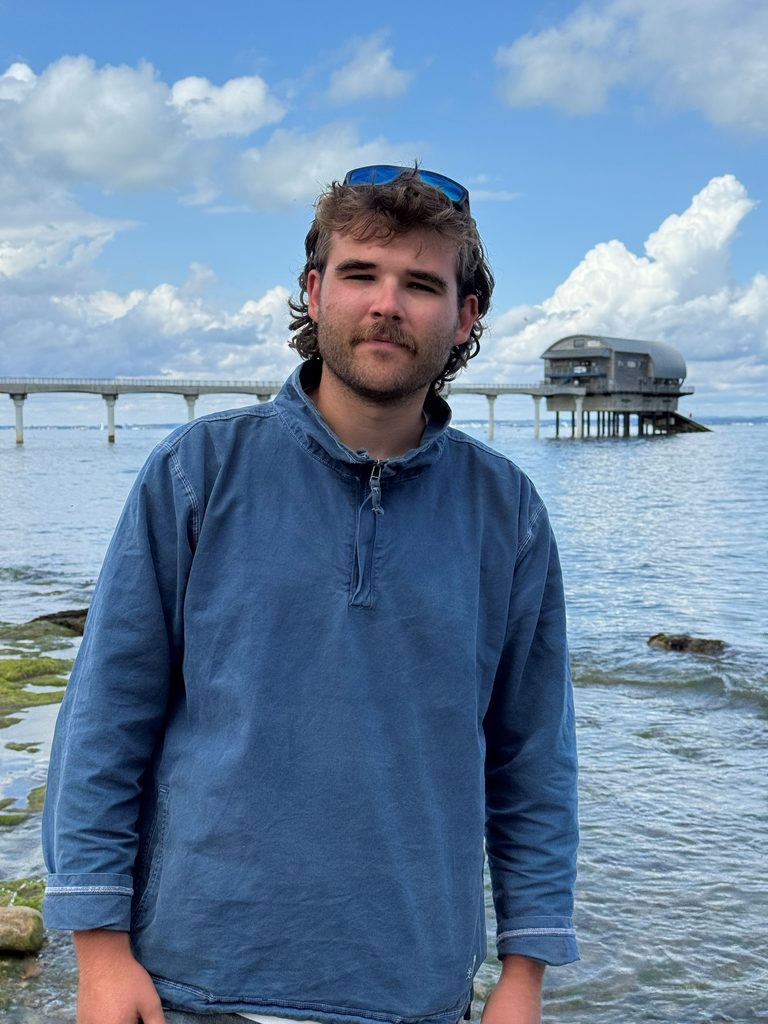
Ever wondered what it’s like to be a marine biologist? Born on the Isle of Wight, Theo Vickers has made a career out of exploring the Island’s incredible coastline and helping people discover the wildlife living just beneath the surface. As both a marine biologist and award-winning underwater photographer, Theo champions the rich biodiversity and hidden ecosystems of British coastal waters, particularly the Isle of Wight and the Solent and challenges the misconception that British local waters are dark and murky, revealing vibrant marine life like cuttlefish, catsharks, and delicate seagrass meadows.
Frequently Asked Questions
Who is the programme for?
The programme is designed for Key Stage 2 and Key Stage 3 pupils at Isle of Wight schools and combines classroom learning with an outdoor field experience. We also welcome interest from the Isle of Wight Home Education Network.
Is there a cost to take part?
No, there is no cost involved at any point. The programme is fully funded through Blue Marine Max Stenbeck Legacy Programme and the Solent Seascape Project, making it completely free for participating schools. This includes return transport for your class to Bembridge Ledges.
What does a typical visit include?
Schools will receive:
- An interactive classroom session led by local marine biologist Theo Vickers.
- Hands-on activities linked to the Solent Seascape Discovery Toolkit.
- A guided field trip to Bembridge Ledges, where pupils will investigate coastal habitats and marine wildlife in the field.
What will pupils learn?
Pupils will learn about:
- The Isle of Wight’s marine environment
- Species and habitats found around the local coastline
- Marine conservation and restoration
- The importance of biodiversity and healthy seas
- Careers in marine biology and conservation.
What wildlife might we see on the field trip?
Every visit is different, but pupils may encounter a range of coastal and rockpool wildlife, including crabs, seagrass, anemones and other marine species that live around Bembridge Ledges. The field trip provides a unique opportunity to observe wildlife and habitats first-hand.
How long does the programme take?
The classroom session lasts approximately 90 minutes. Field trip timings will vary depending on tides, travel arrangements and group size, and will be confirmed when your booking is arranged.
When can schools take part?
The programme will run throughout the school year, with dates agreed directly with participating schools.
Is the field trip suitable for all abilities?
We aim to make the programme as accessible as possible and encourage schools to let us know about any specific requirements when registering. This helps us plan the best experience for all pupils.
What should pupils wear for the field trip?
Detailed information will be provided before the visit, but pupils should be prepared for outdoor coastal conditions and wear suitable footwear and clothing for the weather.
How do we register our interest?
Firstly, please sign up to the free Blue Education Network to qualify for a fully funded visit.
Then, simply complete the form below and a member of the team will contact you to discuss availability and next steps.
What about mainland schools?
We’ll be offering fully funded field trips to all Solent schools and will shortly be announcing a similar arrangement with a mainland provider for those not based on the Isle of Wight.
Who can I contact if I have questions?
If you would like more information before signing up, please contact info@solentseascape.com and a member of the team will be happy to help.